

Understanding the Importance of Core Drilling in Mineral Exploration
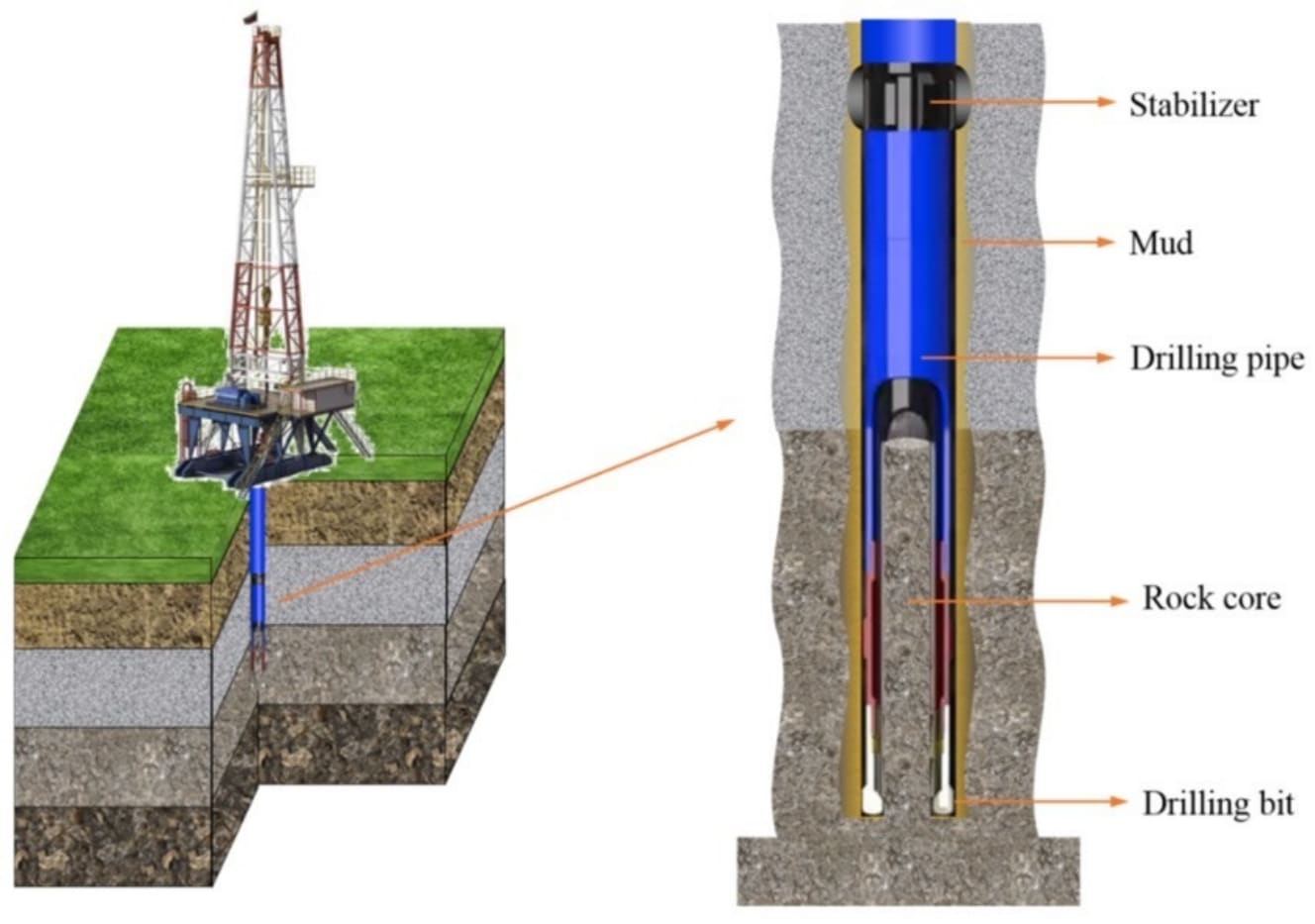
Core drilling is one of the most fundamental and reliable techniques in mineral exploration. It serves as a direct method of obtaining subsurface samples that provide a continuous record of the geological formations beneath the surface. The cylindrical samples, known as cores, give geologists valuable insights into the composition, texture, and structure of rocks, helping to identify and evaluate potential mineral deposits. The process typically begins with the use of a diamond-tipped drill bit, which cuts through various layers of rock while preserving the core inside a hollow tube. These cores are then carefully extracted, logged, photographed, and analyzed in laboratories. Through this detailed examination, geologists can determine the type, grade, and distribution of minerals present — essential data for accurate resource estimation and feasibility studies. Unlike other drilling methods, such as reverse circulation (RC) drilling, core drilling provides more detailed geological information because it maintains the integrity of the rock sample. This makes it particularly valuable for structural analysis, stratigraphic interpretation, and geotechnical assessments. In modern exploration, core drilling rigs are equipped with advanced hydraulic and digital control systems that allow for greater depth accuracy, improved safety, and better data acquisition. Furthermore, precise core orientation techniques enable geologists to understand the true position of geological structures, such as faults, folds, and veins, which are critical in mine design and planning. It is also worth emphasizing that core handling and preservation are key aspects of successful exploration. Improper labeling, contamination, or poor storage can lead to data loss and misinterpretation. Therefore, maintaining a standardized core logging and storage procedure is essential for ensuring data reliability.