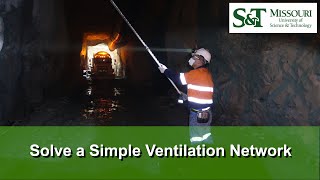
Ventilation is a crucial component of underground mining. It provides miners with fresh air, dilutes toxic gases, and regulates temperature and humidity inside tunnels. Without a proper ventilation system, underground workers would face risks such as heat stress, suffocation, and exposure to harmful gases like methane and carbon monoxide.
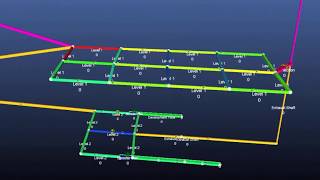
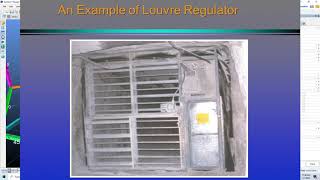
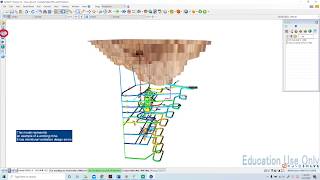
In modern mines, ventilation systems consist of fans, airways, ramps, and regulators that guide airflow to different sections. The illustration below highlights how exhaust airways, ramps, and transport drifts are interconnected to ensure safety and efficiency.
A well-designed ventilation system is not only essential for health and safety but also improves productivity by creating a better working environment for miners.
Source: H. Hamrin, Guide to Underground Mining Methods and Applications (Atlas Copco, 1997).
Alguna vez has tenido la tarea de determinar el diámetro optimo de una Chimenea de ventilación en una mina "x".
Problemas con el cálculo del diámetro óptimo de una chimenea de ventilación.
Bien a menudo me preguntan sobre el desarrollo de este mismo, y la verdad lo he visto calcular de diferentes maneras.
1️⃣ 𝗟𝗮 𝗽𝗿𝗶𝗺𝗲𝗿𝗮 𝗙𝗼𝗿𝗺𝗮 𝗲𝘀 𝗴𝗲𝗻𝗲𝗿𝗮𝗻𝗱𝗼 𝘂𝗻 𝗖𝗼𝘀𝘁𝗼 𝗱𝗲 𝗩𝗲𝗻𝘁𝗶𝗹𝗮𝗰𝗶𝗼́𝗻 𝗲𝗻 𝘂𝗻 𝗮ñ𝗼, 𝗰𝗼𝗺𝗼 𝗿𝗲𝗮𝗹𝗶𝘇𝗼 𝗲𝘀𝘁𝗼?, 𝗱𝗲 𝗹𝗮 𝘀𝗶𝗴𝘂𝗶𝗲𝗻𝘁𝗲 𝗳𝗼𝗿𝗺𝗮:
- 🏬 𝗖𝗼𝘀𝘁𝗼 𝗱𝗲 𝗜𝗻𝘃𝗲𝗿𝘀𝗶𝗼́𝗻: Es aquel aquel costo de capital que se invierte para construir la Chimenea RB y/o RC, es cual tenga un precio unitario por metro lineal y un costo fijo por traslado e instalación de la maquina por posicionamiento.
👀 𝘌𝘴𝘵𝘦 𝘤𝘰𝘴𝘵𝘰 𝘥𝘦 𝘪𝘯𝘷𝘦𝘳𝘴𝘪𝘰́𝘯 𝘴𝘦𝘳𝘢́ 𝘢𝘯𝘶𝘢𝘭𝘪𝘻𝘢𝘥𝘢 𝘤𝘰𝘯 𝘶𝘯𝘢 𝘵𝘢𝘴𝘢 𝘥𝘦 𝘳𝘦𝘧𝘦𝘳𝘦𝘯𝘤𝘪𝘢 𝘥𝘦𝘭 𝘮𝘦𝘳𝘤𝘢𝘥𝘰 𝘦𝘯 𝘦𝘭 𝘤𝘶𝘢𝘭 𝘦𝘴𝘵𝘦́𝘴 𝘵𝘶 𝘭𝘢𝘣𝘰𝘳𝘢𝘯𝘥𝘰 (𝘌𝘯 𝘮𝘪 𝘤𝘢𝘴𝘰 𝘭𝘰 𝘨𝘦𝘯𝘦𝘳𝘢 𝘭𝘢 𝘚𝘉𝘚).
- 🌪 𝗖𝗼𝘀𝘁𝗼 𝗱𝗲 𝗢𝗽𝗲𝗿𝗮𝗰𝗶𝗼́𝗻: Es aquel costo operativo que gastara para mover una cantidad de flujo de aire por la chimenea RB y/o RC, el cual estará afecto el diámetro, perímetro, factor de fricción, densidad, Factor de Choque X0,Longitud de Chimenea y el tarifario de energía ($/Kwhr).
2️⃣ 𝗟𝗮 𝘀𝗲𝗴𝘂𝗻𝗱𝗮 𝗳𝗼𝗿𝗺𝗮 𝗲𝘀 𝗰𝗮𝗹𝗰𝘂𝗹𝗮𝗿 𝘂𝗻 𝗩𝗔𝗡 𝗱𝗲𝗹 𝗰𝗼𝘀𝘁𝗼 𝗱𝗲 𝗶𝗻𝘃𝗲𝗿𝘀𝗶𝗼́𝗻 𝗲𝗻 𝗲𝗹 𝗮ñ𝗼 "𝟬" 𝘆 𝘂𝗻 𝗰𝗼𝘀𝘁𝗼 𝗱𝗲 𝗼𝗽𝗲𝗿𝗮𝗰𝗶𝗼́𝗻 𝗽𝗼𝗿 𝗮ñ𝗼, 𝗮𝘀𝗶𝗴𝗻𝗮𝗻𝗱𝗼𝗹𝗲 𝗹𝗮 𝗰𝗮𝗻𝘁𝗶𝗱𝗮𝗱 𝗱𝗲 𝗮ñ𝗼𝘀 𝗾𝘂𝗲 𝘃𝗮 𝗱𝘂𝗿𝗮𝗿 𝗲𝗹 𝗽𝗿𝗼𝘆𝗲𝗰𝘁𝗼.
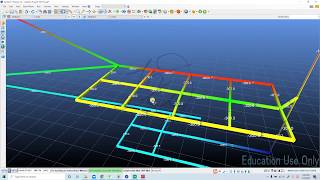
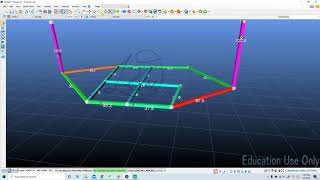
3️⃣ 𝗠𝗲𝗱𝗶𝗮𝗻𝘁𝗲 𝗲𝗹 𝘀𝗼𝗳𝘁𝘄𝗮𝗿𝗲 𝗩𝗲𝗻𝘁𝘀𝗶𝗺, 𝗘𝗹 𝗰𝘂𝗮𝗹 𝗮 𝗽𝗮𝗿𝘁𝗶𝗿 𝗱𝗲𝗹 𝗺𝗼𝗱𝗲𝗹𝗼 𝗰𝗮𝗹𝗶𝗯𝗿𝗮𝗱𝗼 𝗴𝗲𝗻𝗲𝗿𝗮 𝘂𝗻𝗮 𝘀𝗶𝗺𝘂𝗹𝗮𝗰𝗶𝗼́𝗻 𝗳𝗶𝗻𝗮𝗻𝗰𝗶𝗲𝗿𝗮 𝗽𝗮𝗿𝗮 𝗲𝗹 𝗰á𝗹𝗰𝘂𝗹𝗼 𝗱𝗲𝗹 𝗱𝗶𝗮́𝗺𝗲𝘁𝗿𝗼 ó𝗽𝘁𝗶𝗺𝗼.
🥇 Para mi lo más ideal es la 2da forma y es cuando anualizas los costos de inversión (hashtag#Capex), con los costos de operación (hashtag#Opex) y lo llevas a una unidad base 💸 US$/m.
Con la información de Geología y Mina, estimaras los años que te va durar este proyecto (3-5-10 años), y en base esta proyección realizaras una simulación anualizada para traer el VAN por cada diámetro de chimenea.
Se debe tener en cuenta que tanto la inversión y el gasto de operación ingresan de forma negativa en la caja de la mina "X" por lo tanto el VAN que se seleccione será el que este más próximo a Cero, que se entiende que es el mejor VAN entre los demás.
The Importance of Good Airflow Measurement and Its Contribution to Improved Mine Ventilation
In underground mining, air is more than just a comfort, it’s a critical safety and productivity factor. Effective mine ventilation begins with accurate airflow measurement. As a ventilation engineer, I’ve come to appreciate that the quality of data we collect directly impacts the quality of decisions we make below the surface.
Why Airflow Measurement Matters
Airflow measurement allows us to:
Verify ventilation design assumptions
Ensure adequate oxygen delivery and contaminant dilution
Monitor energy consumption and fan performance
Quickly identify blockages or leakages in ventilation circuits
Without consistent and reliable airflow readings, we risk under-ventilating key areas or wasting energy on over-ventilation. Both extremes are costly, either to safety or efficiency.
Tools and Techniques
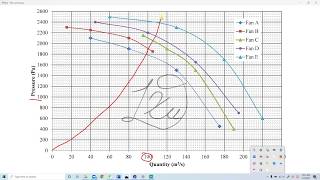
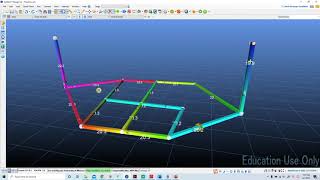
The use of tools like anemometers, VentSim simulations, fixed sensors, and duct traverse readings help provide real-time data and actionable insights. Coupling these with digital systems allows better control and response to dynamic underground conditions.
The Contribution to Better Ventilation
Good airflow data supports:
Balanced distribution of air across working faces
Early detection of ventilation problems
Safer work environments for miners
Optimized fan usage, reducing power costs and carbon emissions
It also helps in refining ventilation-on-demand (VoD) systems and building more adaptive ventilation networks that respond to real-time mining activity.
Accurate airflow measurement isn't just a technical task, it’s the foundation of smart, safe, and sustainable mine ventilation. As we continue to modernize our mining operations, investing in reliable airflow monitoring systems must remain a top priority.
References
Wikipedia – Underground Mine Ventilation: https://en.wikipedia.org/wiki/Underground_mine_ventilation
SRK Consulting – Measuring Pressure Loss: https://www.srk.com/en/publications/measuring-pressure-loss-in-underground-airways
MDPI – Intelligent Ventilation Systems: https://www.mdpi.com/2076-3417/14/17/7602
En las operaciones mineras subterráneas, la ventilación no es solo un componente técnico más: es una cuestión de seguridad, eficiencia y cumplimiento normativo. La tubería de ventilación flexible, que canaliza el aire fresco hacia las zonas de trabajo y extrae gases y polvos nocivos, cumple un papel esencial. Pero su eficacia depende directamente de una correcta instalación.
🔄 ¿Qué puede ocurrir si la instalación es deficiente?
Pérdida de presión y caudal: Las uniones mal selladas, curvas mal ejecutadas o una mala sujeción provocan pérdidas de presión, reduciendo el flujo de aire en los puntos críticos.
Mayor consumo energético: Los sistemas de ventilación trabajan más para compensar las fugas o los cuellos de botella, lo que se traduce en un mayor consumo eléctrico y mayor desgaste de los equipos.
Riesgo para la salud de los trabajadores: Una ventilación ineficiente puede permitir la acumulación de gases tóxicos como metano, monóxido de carbono o polvo en suspensión, generando condiciones peligrosas.
Interrupciones en la operación: Una tubería mal instalada puede desprenderse o dañarse por efecto del paso de maquinaria, provocando paradas no planificadas.
✅ Buenas prácticas de instalación
Elección de la longitudes de tramo y las piezas especiales (curvas, bifurcaciones, T´s, etc ) adecuadas para cada caso.
Uso de materiales certificados y resistentes a la abrasión, rasgaduras y presión.
Colocación de la tubería a la distancia adecuada del frente de trabajo.
Fijación segura con los anclajes apropiados.
Mantenimiento regular y sustitución preventiva de tramos desgastados.
🌍 Seguridad y sostenibilidad
Una ventilación eficaz no solo protege la salud, sino que reduce la huella ambiental de la mina, al optimizar el consumo energético y prolongar la vida útil de los sistemas de ventilación.
In tunneling and blasting, safety is non-negotiable, and ventilation plays a crucial role in keeping workers safe and operations efficient.
Here’s why effective ventilation is essential for underground projects:
💨 Air Quality
Blasting releases harmful gases like CO and NOx. Proper ventilation dilutes these dangerous gases and ensures workers have clean, breathable air.
🌡️ Temperature Control
Underground operations can get HOT. Ventilation helps regulate the tunnel's temperature, reducing heat stress and ensuring a comfortable environment for workers.
⚙️ Pressure Management
Controlled airflow reduces pressure buildup, maintaining structural integrity and minimizing safety risks during operations.
👁️ Improved Visibility
Blasting produces a lot of dust. Effective ventilation clears the air quickly, improving visibility and allowing teams to work more efficiently.
✅ Safety & Compliance
Proper ventilation aligns with safety regulations, ensuring compliance while boosting productivity. Regular monitoring of airflow can prevent accidents and enhance operational safety.
💡 As tunneling projects grow in complexity, investing in advanced ventilation systems isn’t just smart—it’s essential for safety and success.
The VOD concept is one of the key energy-saving principles in underground mine ventilation systems, and it can be applied across all mining commodities. VOD refers to the ability to deliver airflow specifically to the underground areas that require it. In other words, airflow is supplied only to the areas in need, while areas that do not require ventilation receive reduced airflow—or none at all. By implementing this principle, energy consumption from auxiliary fans can be significantly reduced.
VOD consists of several levels of control strategies:
User Control or Manual Control
All ventilation devices—such as main fans, auxiliary fans, dampers, regulators, etc.—are operated manually.
Time-Based Scheduling
The second control strategy is time-based scheduling, which refers to the concept of triggering different setpoints for fans, regulators, and doors based on time inputs in accordance with a predefined schedule.
Activity-Based Control
The third strategy is activity-based control, as described by Tran-Valade and Allen (2013). This strategy is defined as the "automatic triggering of pre-defined actions in response to configured events." It can be summarized as an event-triggered function based on alternative inputs other than timers or environmental variables, each of which forms its own category. Similar to time-based scheduling, this control strategy applies the same event-triggering principle but is based on any available variable that can be integrated into the software.
Tagging and Tracking
This strategy requires the implementation of tag-and-tracking systems, with communication components integrated into the ventilation software. Airflow distribution in the mine is determined based on the location of personnel and equipment, as well as predefined rules for calculating the required airflow for each.
Environmental-Based Control
The fifth strategy is environmental-based control, which involves automated ventilation system adjustments based on real-time environmental data. This may include various sensor inputs such as gas, dust, diesel particulate matter (DPM), temperature (heat stress), etc., assuming that such sensors can operate underground and provide real-time data.
Several components are needed to implement this principle effectively.
In the March issue of North American Mining magazine, I asked how underground mines can achieve the best in mine ventilation. Key takeaways 👇
Maintaining consistent airflow and climate is an ever-moving target. As mines advance and work deeper, the system resistance increases, reducing volumetric flow if all other things remain equal.
Hazardous gases require continuous monitoring and adjustment of ventilation systems to ensure safe levels and allow prompt re-entry after blasting to minimize downtime.
Heat generated by mining equipment and mine depth significantly impact the climate. If a hot mine also struggles to maintain airflow, maintaining proper temperatures will be an uphill battle.
Mining operations often do not implement a big enough fan to handle growing requirements as the mine advances. When designing a ventilation system, the design should meet maximum needs - and add some.
Other factors to consider in ventilation design include mine size and layout, mining method and machinery, worker safety regulations, and the size and placement of ventilation shafts.
Technologies like VFDs and geofencing allow mines to tailor the ventilation system for real-time conditions, cutting operating costs, ensuring a safe and comfortable working environment, and reducing a mine’s carbon footprint.
Thanks to all my experts for guiding me through this topic:
Jonathan Griffith, PE, and Tomas Otterberg at Epiroc
Jose Pinedo at Howden, A Chart Industries Company
Todd Elswick at Paul's Fan Company
Kim Trapani at Stantec
Are you interested in reading more like this? The APRIL issue of North American Mining is out now. Check out a link to the magazine in the first comment.
Source: Credit to Jonathan Rowland, North American Mining
This is one of the most important aspects of underground mining to ensure safe mining.
📍 Basic objectives of mine ventilation systems:
(1) To provide airflows of sufficient quantity and quality to provide oxygen in the working area.
(2) To dilute contaminants(hazardous gases and dust) to safe concentrations
and remove them from the mine.
(3) To ensure the appropriate quality of the composition of the atmosphere within the mine, in terms of oxygen content and dilution of noxious gases.
(4) To ensure sufficient climatic conditions, in terms of temperature and humidity.
📍 Origins of gas mixtures present in mining operations :
1- Endogenous origin : gases contained in the reservoir and/or in the surrounding rock before exploitation. The composition of these gas mixtures is linked to the nature and geological environment of the materials extracted.These gases are continuously released during mining, through an expansion mechanism, and migrate into the atmosphere of the underground workings.
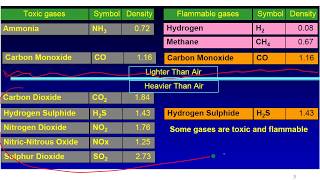
2- Exogenous origin: these are gases produced by specific chemical reactions during mining activity. Most often these are carbon monoxide and dioxide produced by the oxidation of certain ores and hydrogen sulphide produced by the decomposition of sulphurous materials such as wood; various gases linked to the use of explosives and combustion engine machinery.
📍Ventilation principle for underground mines.
The general principle is to supply fresh air in sufficient quantities to all parts of the mine that are still active, and to evacuate used air to the surface. Mine ventilation is classically achieved through :
(1) A main ventilation system that ensures the continuous introduction of atmospheric air and the discharge of used air to the surface via the return structures (shafts). The air circulation is ensured by main fans of variable power and flow installed on the inlet or return structures. The main ventilation system is most often suction, more rarely blowing.
(2) Secondary ventilation, which recovers fresh air from the main ventilation circuits and provides local ventilation in specific areas. This is achieved by means of secondary fans and circulation ducts.
📍Elements of mine ventilation systems:
+ Interconnected airways and working zones within the mine.
+ Connections to the surface.
+ Fans to produce airflow.
+ Control devices to ensure that the air courses around the mine as required.
📍Main factors in sizing ventilation
- Geometry of the mining network;
- Mining method and method of blasting (by explosives or mechanised);
- Nature and volumes of gases present (mineralogical and geochemical characterisation of the deposit and surrounding rocks);
- Number of people employed.
El método de ventilación para operaciones de hundimiento por bloques es complejo y crítico debido a varios desafíos inherentes al proceso. Uno de los aspectos más delicados es la gestión de las chimeneas de ventilación, que tienden a perderse o quedar obstruidas por el movimiento continuo de material durante las operaciones.
💡𝐏𝐮𝐧𝐭𝐨𝐬 𝐂𝐫í𝐭𝐢𝐜𝐨𝐬:
**𝙋é𝙧𝙙𝙞𝙙𝙖 𝙙𝙚 𝘾𝙝𝙞𝙢𝙚𝙣𝙚𝙖𝙨:Las chimeneas pueden verse comprometidas por el colapso del material o el cambio de la estructura interna del macizo rocoso, dificultando el flujo de aire y aumentando el riesgo de acumulación de gases peligrosos.
**𝙈𝙖𝙣𝙩𝙚𝙣𝙞𝙢𝙞𝙚𝙣𝙩𝙤 𝘾𝙤𝙣𝙩𝙞𝙣𝙪𝙤: Se requiere un monitoreo constante y mantenimiento frecuente para asegurar que las rutas de ventilación permanezcan operativas y eficientes.
**𝘼𝙙𝙖𝙥𝙩𝙖𝙗𝙞𝙡𝙞𝙙𝙖𝙙 𝙙𝙚𝙡 𝙎𝙞𝙨𝙩𝙚𝙢𝙖:El sistema de ventilación debe ser flexible y ajustarse rápidamente a los cambios en la estructura de la mina para mantener condiciones seguras.
Dado el alto grado de criticidad y complejidad, es fundamental contar con un diseño de ventilación robusto y adaptable, junto con un monitoreo constante para evitar problemas operativos.
Si necesitas optimizar tu sistema de ventilación en condiciones tan desafiantes, visita www.vpsconsulting.com.pe
En 🟡🔵VPS CONSULTING estamos listos para ayudarte.
Source: Frank Mariluz
⚡A ventilation audit is a systematic, documented, periodic and productive evaluation of how well our system is working according to regulatory requirements and commitments. As a ventilation leader, we have to establish minimum requirements to protect persons underground from hazardous conditions specific to the mine.
⚡ I have extensive experience dealing with governmental audits related to ventilation mining operations. As a ventilation engineer, I have worked closely to ensure that all regulations were being followed according to mandatory standards. I strongly believe this helps us to compliance with legislative requirements and give us opportunity for improvement.
⚡One requirement consists on ventilation plans, which have to be updated at intervals not exceeding of six months (time depends on country regulatory), I recommend to have a monthly update showing location of fans, doors, directions and volumes of air flows: intake air – blue, exhaust air – red.
Source: Credits to Manuel Gutiérrez
08 Ventilation
Covers mine ventilation systems, airflow design, resistance, and air quality management.
Ventilation courses and technical workshops.
No events scheduled
08 Ventilation
Covers mine ventilation systems, airflow design, resistance, and air quality management.
Specialists discuss ventilation challenges and innovations in underground mining.