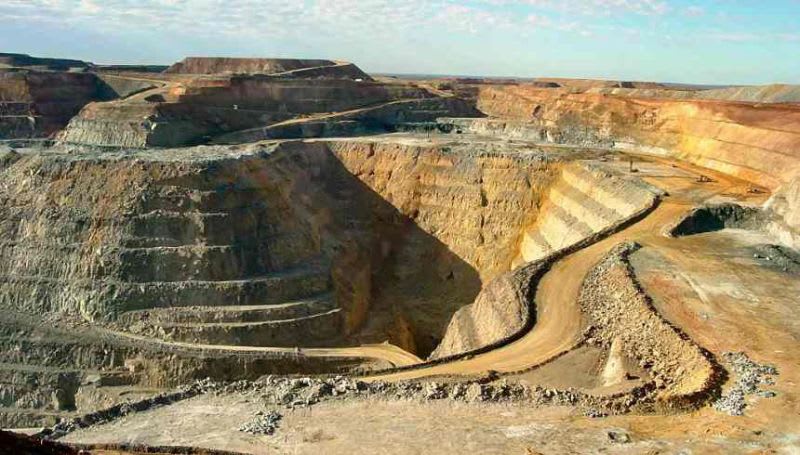


Life of Mine (LoM) – Planning Mining from Start to Finish
Every mine operates within a defined timeframe known as the Life of Mine (LoM). From the first blast to the final tonne and eventual closure, LoM planning ensures that mining is carried out efficiently, safely, and profitably over the entire lifespan of the operation. This week, we explore what Life of Mine means and why it is one of the most important concepts in mining engineering. ⏳ What Is Life of Mine (LoM)? Life of Mine refers to the total duration over which a mineral deposit can be economically extracted, based on available reserves, production rates, and economic conditions. LoM is not just a number of years — it is a strategic plan. 🧩 Key Components of Life of Mine Planning 1. Resource & Reserve Base Defines how much material is available for extraction. 2. Production Rate Determines how fast the ore is mined and processed. 3. Mining & Processing Strategy Choice of mining method, equipment, and processing route. 4. Economic Assumptions Commodity prices, costs, and cut-off grade. 5. Closure & Rehabilitation Planning End-of-mine considerations integrated from the start. ⚙️ Why Life of Mine Matters 📈 Guides long-term investment decisions 💰 Influences cash flow and project valuation 🛠️ Aligns short-term plans with long-term goals 🌱 Integrates sustainability and closure from day one 📊 Helps manage risk and uncertainty over time A well-defined Life of Mine is the backbone of responsible and profitable mining. 💬 Do you think Life of Mine estimates should be conservative or optimistic? Share your thoughts. If this added value, like, comment, follow, and repost to support mining education.